
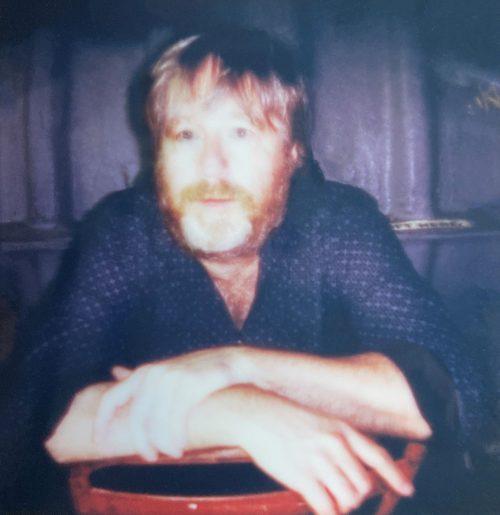
Drummer Steve Shelley was a driving force behind Sonic Youth for more than 25 years, in the boiler room of a group that helped build the foundation of the indie music scene that dominated the more respectable corners of the rock world in the ‘80s and ‘90s.
Shelley is happy to speak about Sonic Youth, and it’s part of his job as the head of the band’s record labels Sonic Youth Recordings (SYR) and Goofin’. But he speaks with just as much enthusiasm – possibly more – about his parade of current projects that follow in the spirit, if not always the sound, of his famous band.
There’s Riviera Gaz, the multinational trio with Gustavo Riviera and Paulo Kishimoto, who today release their second album, “Catacroma,” on Shelley’s label (yes, there’s another label he operates) Vampire Blues.
There’s Sick Gazelle, comprised of Bruce Lamont, Eric Block, Shelley, and Tortoise bassist Douglas McCombs, which in June released its sophomore record, “Veld,” also on Vampire Blues.
There’s Winged Wheel, the “experimental super-band” that released its third album, “Desert So Green,” at the beginning of 2026. And there’s Cat Casual and the Final Word, the Brooklyn-based psych rock group he’s been gigging and recording with since the late 2010s.
How does Shelley decide whether to accept an offer to work on a new project?
“I guess if I like the people, I would say yeah. And if I like the people and something about about the music that I felt I could contribute to, then then I’m usually in, and my schedule, even though you think I’m busy, my schedule is pretty free, so I’m able to do stuff these days.”
Shelley recently chatted with us during a late-night phone interview about his philosophies as a musician and record label operator, how Riviera Gaz, Sick Gazelle and Winged Wheel made their newest albums and the day-to-day of running Sonic Youth’s labels.
When you are recording your parts, are you concerned about sounding too much like you did on another project?
Not so much. I try and open my mind and avoid anything that I might have done the last time, which is maybe the hardest thing of playing in multiple band, just freeing my mind. I know with with some of the Winged Wheel recording, I took a microdose of mushrooms and that that was really, really helpful, and not that it changed me or anything, but it changed my hang-ups, and so I felt much more at ease, you know, playing with new people, and I wasn’t as self-critical while recording, and that felt really good. But I wouldn’t recommend that to everyone.
Was that the first time you had done that when recording?
Yeah. It was. It didn’t make me a better musician, but it helped me not beat myself up. When you get together with new people, you’re searching and you want it to be good, and you have a desire for all these things.
Riviera Gaz
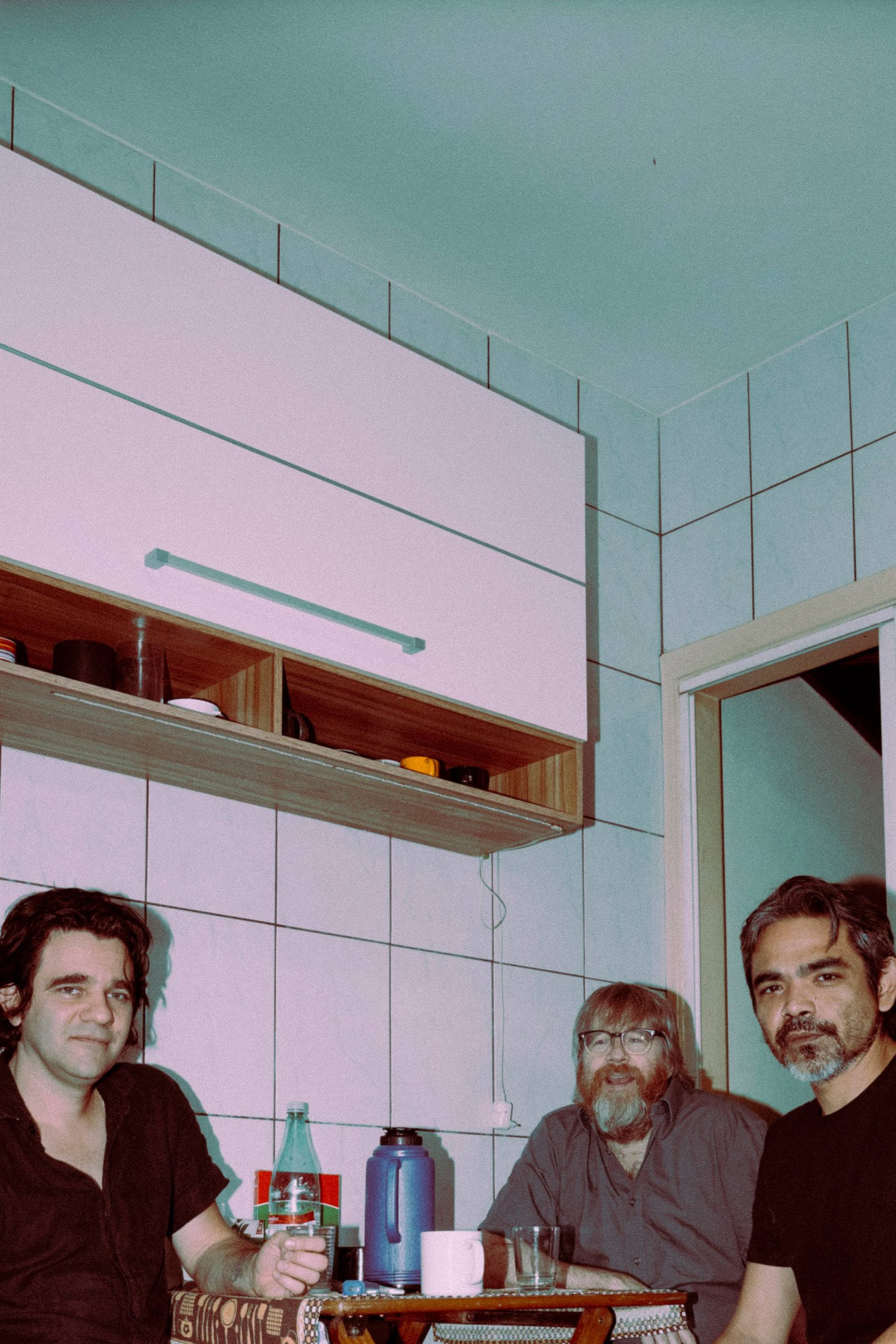
I understand that Riviera Gaz material usually starts with songs Gustavo brings in. How did this work on the new album “Catacroma?”
It still started a lot with his songs, but we kind of dissected them for a year and a half over long-distance mixing, so Paulo mixed a good deal of the record, if not most of it. So we did a lot of arranging long-distance I guess.
How did you initially connect with these guys?
Paulo had been in this group called Forgotten Boy. That was Gustavo’s main band, so they had been doing that for a while, and Paulo was brought in as an auxiliary guy, I think he was playing keyboards and extra stuff. They went on hiatus and Paulo and Gustavo were not busy, so they start this side project called Riviera Gaz, and when I was in Brazil, they invited me to work on it. So we started working on these recordings together. And the reason that I knew Paulo was I had been visiting Brazil for a few years either with Lee’s solo group or Thurston’s solo group, and Paulo and I had been introduced by a mutual friend, and whenever I had a day off in Sao Paulo, Paulo and I would drive around and he’d show me the city and we’d go to these really strange places to eat. Eating can be a big part of getting in a group or playing with someone too. So food was a big angle for how we started off.
It’s funny, because Paulo and Gustavo live in Sao Paulo and we would compare notes. You know, it seemed like Bolsonaro was in office, but then we had Biden but then then Trump’s back in office and Bolsonaro was in prison. So we had been comparing notes on our fearless leaders and so on.
Sick Gazelle
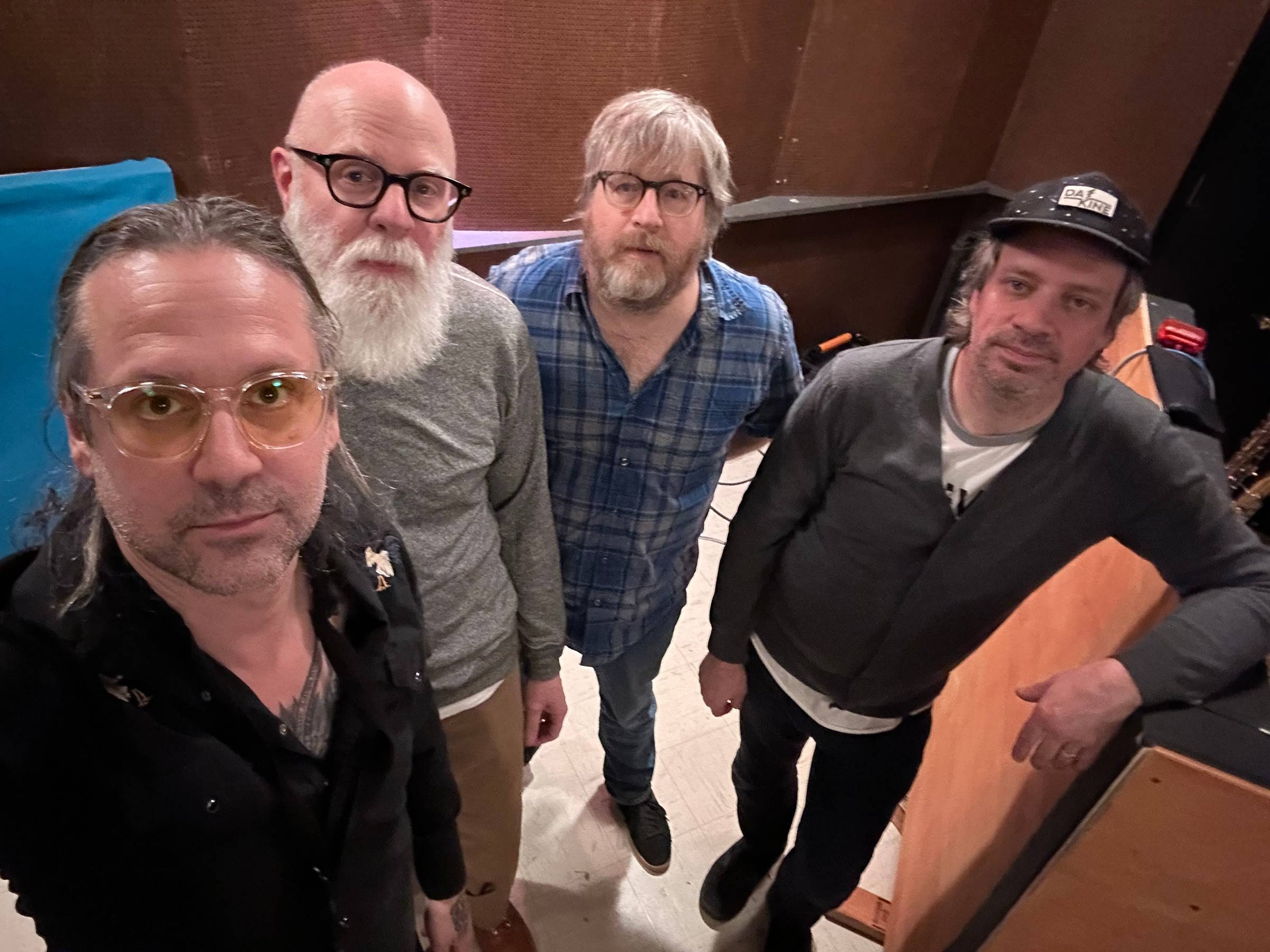
Was “Veld” more of an improvisational situation than the previous record or kind of the same process?
Kind of the same, maybe a little bit more mapped out? Because we had Doug joining us for the first time. We had a bass; I forget if he played Fender six some of the time, but he was grounding us, obviously, in that bass way, so I felt like we were refined a little bit. It became a little bit more song-like even though they were very much the immediate compositions. They weren’t worked on that week or anything, they were worked on that day.
And you’ve known Doug since the ‘80s, right?
Yeah. I met Doug when I was still living in, when I was a drummer living in Michigan.
Had you done much work together before Sick Gazelle?
No, I don’t think we’d recorded together. We might have played together, but I don’t think we’d ever recorded.
How did adding a bass to the band impact the way you approach your drum parts?
Oh, I love it. It was great. It gave me a lot more freedom and it gave me a lot more of something to tie together. So both of those I enjoyed, and even playing back the record, like a couple days ago, I just love hearing Doug’s tone, and his choices are always like, “yeah, that’s a good choice.” He’s really easy to listen to.
Winged Wheel
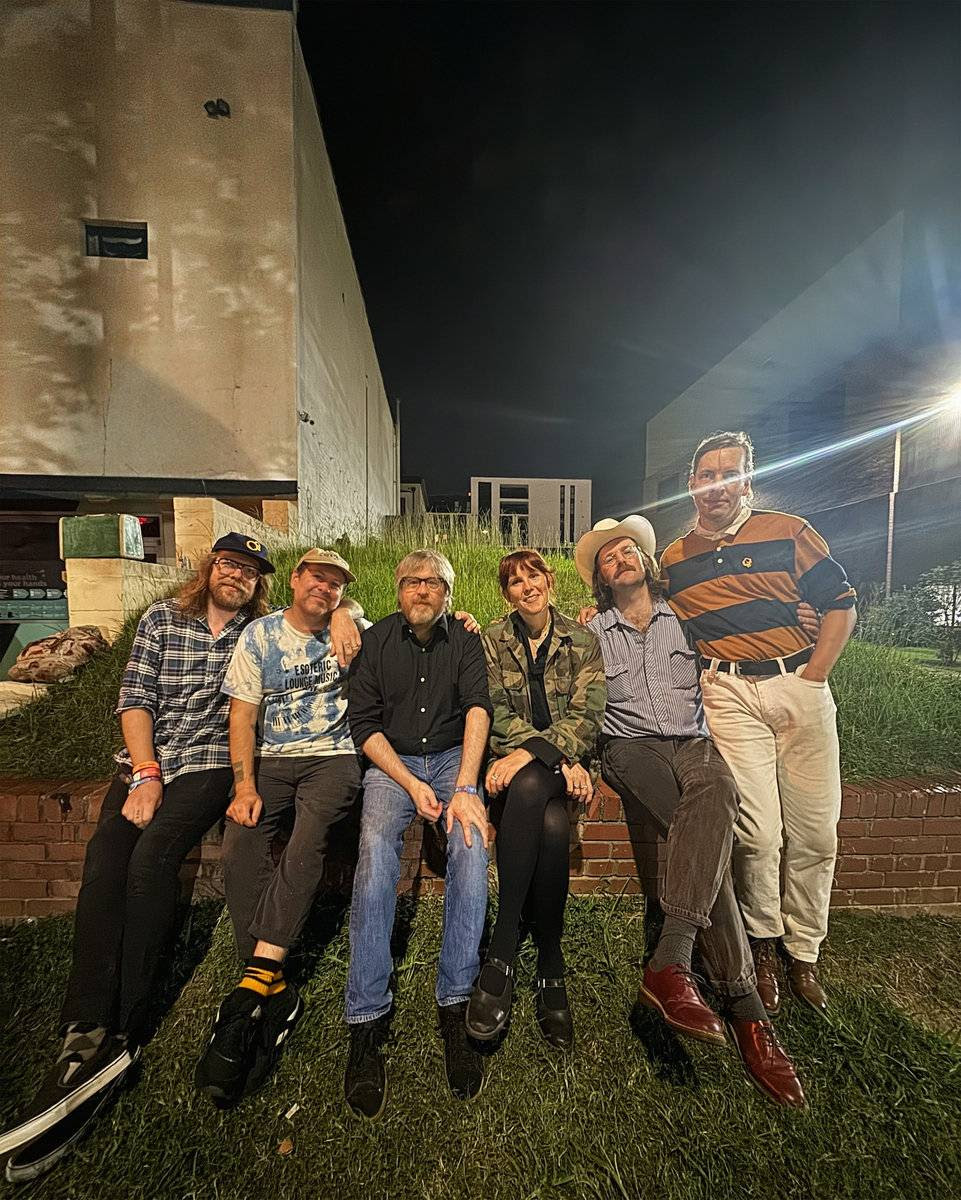
How did you meet Cory Plump, from the bar and venue Tubby’s, who is a member of Winged Wheel?
I think I emailed Cory and asked him for a gig at Tubby’s. Like at the end of Covid, I was playing with Ernie Brooks from The Modern Lovers, we had a combo called Tape Hiss, and we were playing like street fairs and stuff in New York because bands were still playing outside and we weren’t really gigging indoors yet. And I had hit up Cory to see if we could play up there, and we became friends and several of my bands went up there to play, and he invited me to come to this Winged Wheel session in Kingston. I didn’t know him that well and he was surprised that I said yes. And so we went up and we recorded for a day and a half in in Kingston for that record. The “Big Hotel” record.
Tell me about how you guys made “Desert So Green.”
That was a little bit of everything. We actually went to Eric Block’s studio from Sick Gazelle and we recorded for two afternoons, so that was kind of more hi-fi than what we had worked with before. And Fred [Thomas] took that stuff home and people either flew in odds and vocals or he grabbed things from our studio recordings. So it’s a real mishmash but just lovely recording. I love what he did with it. It’s one of my favorite records that I’ve appeared on.
What is your mission statemen for your label Vampire Blues?
Just to put out fun, weird stuff.
Are you finding a resurgence in physical sales or anything or is digital still the primary way where people are getting this music?
I think it’s changing. It’s constantly changing. A vinyl scene or physical seems to be on an upswing, but it’s not anything like it was for me in the ‘90s. So yeah, it’s strong out there right now, and there’s lots of things to do, but it’s a fraction of what it was before the digital revolution. So it’s different, it just keeps changing. You know, you gotta roll with it.
Are you doing everything yourself with the label or do you have some staff?
I don’t have staff, I have help once in a while, but I do all the physical stuff.
You’re also running the two Sonic Youth labels, SYR and Goofin’. What are the philosophies of each label? How do you operate these entities?
So they’re all basically the same, they just have different names and they just have different styles of material. Like SYR was mostly instrumental stuff for a long, long time. There is some vocal stuff in there, but it’s mostly instrumental stuff. And Goofin’ was we started reissuing our official records when we got the licensing back from various labels, and so “Bad Moon Rising” and “Evol” and “Sister” or “Daydream Nation” are all on Goofin’, which is they’re basically the same office, right, SYR or Goofin’, and we’ve been working on an archive for Sonic Youth lately. And so there’s been these archival reissues and Ethan [Miller] put one out on his label that was really, really well-done called “Live in Brooklyn,” and then the next year, Ethan helped me put out this “Walls Have Ears” double live record on [Goofin’].
Is there a physical office for SYR and Goofin’?
Sort of. Yeah. In my apartment.
How are the other Sonic Youth members involved when it comes to the labels? Do you have the keys to do this however you want, or is there an occasional check-in?
Well, yes and no. They’re all involved. They all listen and agree on anything that we put out, so I don’t just do whatever I want. But they don’t order records or get them to the distributor or, you know, talk to the publicist or things like that.
What does it feel like to be the archivist of your own music and what is it like to hear this stuff from years ago when you’re going through it?
I think more sort of just being a bit of a caretaker of some of this stuff. We have a tape room, so there’s a of lot of physical stuff that we do take care of, but I’m sort of more interested in the relics that might be useful to us and other people, so I’m not into just hoarding or storing stuff.
Sometimes it’s really surprising and you forget that something was well recorded and it sounds really great. It’s fun at times. Sometimes it’s not, sometimes it’s boring, it’s hard to listen to your own band hundreds of times. There’s a lot of recordings that aren’t special and just like you kind of have to trawl through them.


Leave a Reply